Exploring the Vibrant Cultures of Borneo, Malaysia
EXPLORING CULTURES
Bethany McLean
6/1/20266 min read


Introduction to Our Borneo Adventure
For our 20th anniversary, we found ourselves yearning for a unique celebration that encapsulated our shared love for adventure and exploration. Borneo, Malaysia, emerged as the perfect destination for this milestone. Renowned for its breathtaking biodiversity and rich tapestry of cultures, Borneo promised an experience brimming with wonder and discovery.
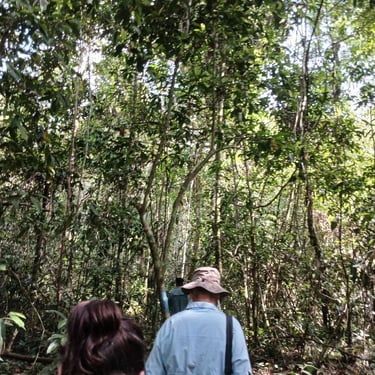
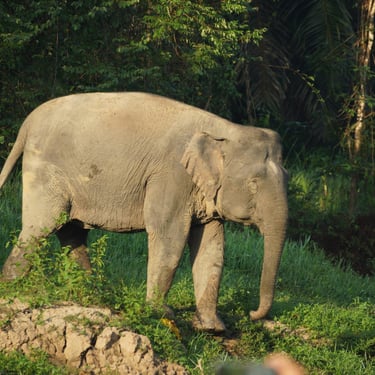
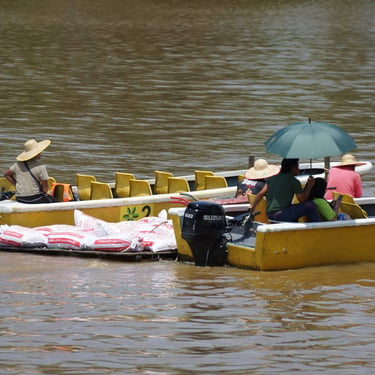
The decision to travel to this remarkable island was bolstered by our desire to immerse ourselves in environments that were both alien and inviting. Borneo's lush rainforests, vibrant wildlife, and indigenous communities offered a captivating backdrop that echoed our quest for adventure in the natural world. We looked forward to exploring the diverse ecosystems, which host an array of extraordinary species, some of which are found nowhere else on Earth. The prospect of encountering orangutans and pigmy elephants in their natural habitat and navigating the intricate waterways of the region feed our excitement.
We were also eager to delve into the cultural heritage of the people residing in Borneo. Learning about their traditional practices, crafts, and customs promised to enrich our understanding of the island’s identity and history.
A Glimpse into Borneo's History
Borneo, the third-largest island in the world, is renowned not only for its biodiversity but also for its history that reflects a diverse cultural heritage. The island is home to some of the oldest indigenous cultures in Southeast Asia, with evidence of human habitation dating back more than 40,000 years. This ancient heritage is embodied in the various ethnic groups, such as the Dayak, Iban, and Bidayuh, each possessing unique customs, languages, and belief systems shaped by centuries of tradition.
The history of Borneo is significantly marked by colonial influences. European powers, including the Portuguese, Dutch, and British, arrived on the island in the 16th century, each leaving their mark on Borneo's culture. The colonial period introduced new trade networks and governance structures, ultimately leading to the establishment of the British North Borneo Company in the late 19th century. This era saw the migration of various ethnic communities and the consolidation of Borneo's diverse populations, which have collectively contributed to the island's dynamic society today.
In modern times, Borneo's past remains integral to its cultural identity and socio-political landscape. The various ethnic groups, each with their distinct traditions, continue to coexist, contributing to the island’s vibrant mosaic. Understanding Borneo's historical context fosters a great appreciation for the resilience and adaptability of its people amid globalisation and modernisation.
Understanding Borneo's Unique Geography
Borneo offers a stunning array of geographic features that contribute to its ecological diversity. The island is characterised by its massive rainforests, towering mountain ranges, and intricate river systems, creating a mosaic of habitats that support a wide range of wildlife. The lush rainforests are among the oldest in the world, housing a remarkable variety of flora and fauna. With over 15,000 species of plants recorded, this forested landscape is critical to the survival of many endangered species, including the elusive orangutan and the clouded leopard.
The mountain ranges, such as the Crocker Range, provide an essential climate variation, influencing rainfall patterns and creating microclimates that sustain different ecological zones. These elevations not only affect flora but also the fauna inhabiting them. According to recent studies, the altitudinal gradient promotes speciation, further enriching Borneo's biological tapestry. The island's rivers, including the Kapuas and Mahakam, serve as the arteries of the rainforest, facilitating the distribution of species and nutrients across its ecosystems.
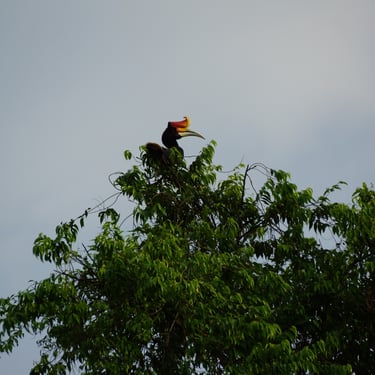
This unique geographical layout is critical for understanding Borneo's ecological richness, often termed the "Borneo Big Five," which includes the orangutan, pygmy elephant, estuarine crocodile, rhinoceros hornbill, and the proboscis monkey. These species have adapted to the varied environments that Borneo offers, showcasing the intricate interplay between geography and biodiversity. Protecting these natural habitats is essential not only for preserving the wildlife but also for maintaining the ecological balance of this remarkable island. Recognising the importance of Borneo’s geography is a step toward fostering respect for its ecosystems and the conservation efforts necessary for their survival.
The Flavour Profile of Borneo: Commonly Used Spices
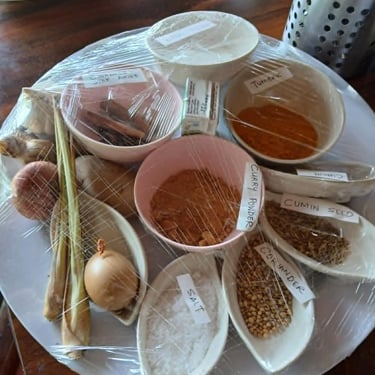
Borneo's cuisine is woven together by a variety of spices that highlight the region's cultural diversity and historical influences. Among the most prominent spices used in Bornean cooking are turmeric, ginger, and lemongrass. These spices are not only fundamental to the flavour profile of many traditional dishes but also serve as markers of cultural identity within the various indigenous communities.
Turmeric, often recognised for its vibrant yellow hue, is a staple in Bornean cuisine. It brings warmth and an earthy flavour to dishes like nasi lemak and various curries. This spice is also valued for its medicinal properties, integrating health benefits into the culinary practices of the local people. Ginger, with its sharp and pungent taste, is frequently used to enhance the flavours of soups and meat dishes. Its significance extends beyond flavour, as it is believed to aid digestion, making it a popular choice in many traditional preparations.
Lemongrass is another essential spice that contributes a refreshing, citrusy note to the dishes. It is often utilised in marinades or broths, infusing them with a fragrant character. This aromatic herb is particularly central to laksa, a famous noodle soup that showcases the harmonious blend of spices used in Bornean cooking. Furthermore, these spices have cultural significance; they are often included in family recipes passed down through generations, symbolising both heritage and the communal nature of food preparation.
Other spices such as chilies and black pepper also play vital roles in Bornean cuisine. Chilies add heat and depth to meals, reflecting the region's love of bold flavours, while black pepper is commonly used to season meat and fish dishes. Understanding these spices is crucial for appreciating the unique culinary identity of Borneo, where each ingredient tells a story of the land and its people.
Delicious Dishes from Borneo: A Culinary Journey
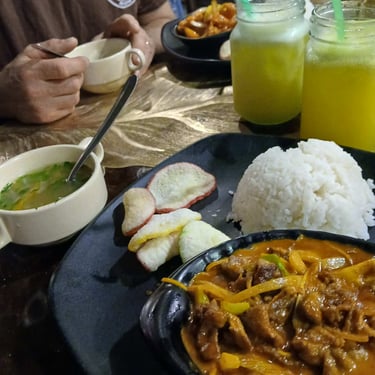
The common dishes enjoyed in Borneo vary significantly across its different states, influenced by ethnic groups such as the Dayaks, Malays, and Chinese, providing an array of flavours and cooking styles. One of the most notable dishes is Nasi Kandar, a popular meal that consists of rice served with an array of curries and side dishes, allowing diners to customise their meal according to personal preferences. This dish showcases the fusion of spices, which are abundant in Borneo's cooking.
Another staple is Soto, a fragrant soup typically made with meat, spices, and vegetables. Each region boasts its own variations, with distinct flavours that may include coconut milk, lemon grass, and chili. The incorporation of local herbs and spices not only elevates the taste but also demonstrates the cultural significance of the dish within Bornean life.
A hallmark of Bornean cuisine is its use of fresh produce and local ingredients. For instance, Ulam is a traditional salad featuring a mix of raw vegetables and herbs, often accompanied by a spicy dipping sauce. This dish highlights the region's emphasis on freshness and the importance of using locally sourced ingredients. Additionally, seafood is a central element in Borneo's culinary offerings, owing to the abundant coastal access. Dishes such as Ikan Bakar, or grilled fish, showcase the rich flavours of the sea, often enhanced with sambal or spices that reflect Borneo's vibrant culinary identity.
The diversity of Bornean dishes is a testament to the island's intricate cultural tapestry, where food plays an integral role in daily life and communal gatherings. The emphasis on local ingredients fosters a sense of connection to the land and its heritage.
Hands-On Experience: Cooking Roti Jala with Chicken Curry
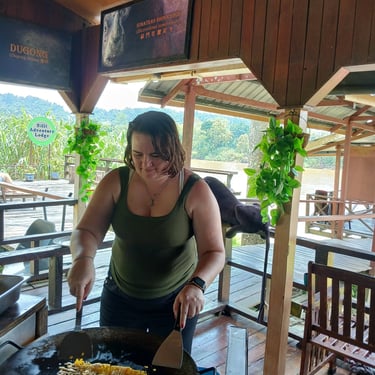
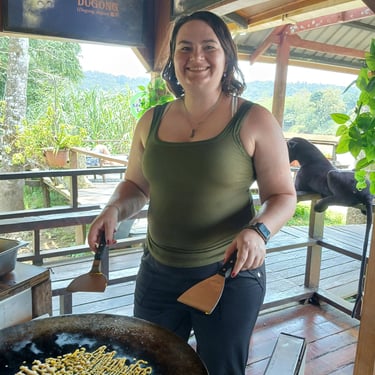
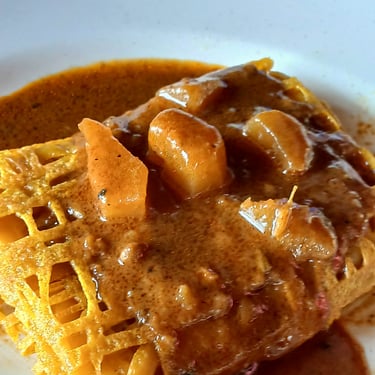
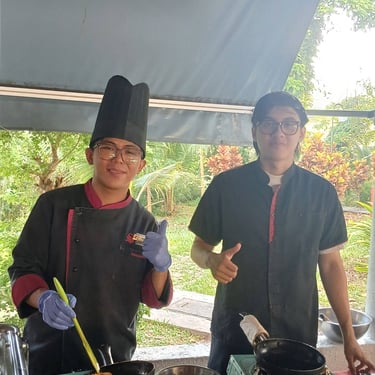
During our remarkable journey in Borneo, we had the opportunity to engage in a hands-on cooking lesson where we learned to prepare roti jala accompanied by chicken curry. This experience provided deeper insight into Bornean cuisine. Roti jala, a traditional Malaysian dish also known as ‘net bread,’ plays a crucial role in the local food culture. Its delicate crepes, known for their lace-like patterns, are both visually appealing and flavourful, making them a popular choice for various meals.
The roti jala batter, consisting of flour, coconut milk, and eggs, which contributed to its soft texture and subtle sweetness. We learned the technique of creating the intricate patterns on the griddle, a method that requires a steady hand and a keen eye. This process was a delightful way to experience the culture, with instructors who shared stories of how this dish is often served during festive occasions and family gatherings in Borneo.
We paired the roti jala with a chicken curry, a harmonious blend of spices that reflect the diverse influences on Bornean cuisine. With fresh herbs, spices, and tender chicken simmering in a fragrant coconut milk sauce, the aroma alone was enough to whet our appetites. The joy of cooking was amplified as we helped each other along the way, reinforcing the joy of communal cooking— a fundamental aspect of Bornean culinary traditions.
As the dish came together, the excitement built among us, as we each tried our hand at making the roti jala. The experience was filled with laughter and fun and as we all experienced the beautiful flavours of this unique dish.
Reflections and Takeaways from Our Borneo Trip
Our journey through Borneo has left a mark on our hearts and minds, as we navigated through its breathtaking landscapes and encountered its rich ecosystems. The wildlife experiences were unparalleled, showcasing the diversity and uniqueness of the region. Encounters with orangutans in their natural habitat were particularly moving, as we witnessed these magnificent creatures demonstrating their intelligence and social behaviours. Such moments underscored the importance of wildlife conservation and offered insightful connections to the environment and its inhabitants.
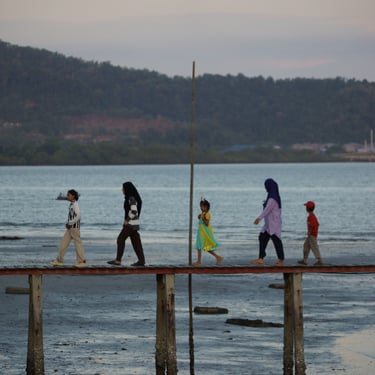
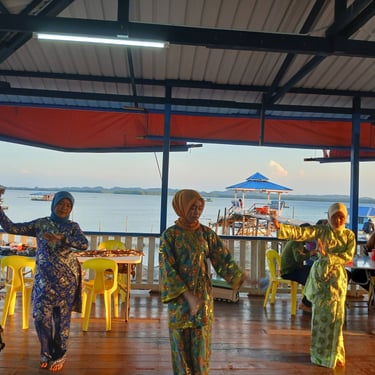
Cultural interactions with the indigenous communities of Borneo enabled us to gain a deeper understanding of their traditions, values, and lifestyles. Engaging with locals in their own homes, participating in traditional ceremonies, and sharing meals with families allowed us to appreciate the profound bond that these cultures have with their land.
Our adventure in Borneo was an experience that will stay with us forever. From the beautiful people, incredible food, and inspiring nature, we cannot wait for our next adventure together.